-
PERSPETIVA DA VÍTIMA
INTRODUÇÃO E DEFINIÇÕES2 Topics -
HISTÓRIA DA VÍTIMA/SOBREVIVENTE11 Topics
-
IMPACTO DO CRIME I – Necessidades e direitos das vítimas6 Topics
-
IMPACTO DO CRIME II – trauma das vítimas4 Topics
-
IMPACTO DO TRAUMA NA VÍTIMA3 Topics1 Quiz
-
EmpathyINTRODUÇÃO7 Topics
-
A BIOLOGIA DA EMPATIA/neurociência social3 Topics
-
COMPETÊNCIAS DA EMPATIA7 Topics1 Quiz
-
Effective CommunicationINTRODUÇÃO1 Topic
-
MODELOS DE COMUNICAÇÃO3 Topics
-
A IMPORTÂNCIA DO RUÍDO2 Topics
-
COMUNICAÇÃO NÃO VERBAL6 Topics
-
BARREIRAS À COMUNICAÇÃO EFICAZ5 Topics
-
O QUE É UMA COMUNICAÇÃO EFICAZ?5 Topics
-
ESCUTA ATIVA4 Topics
-
COMPETÊNCIAS DE COMUNICAÇÃO EFICAZ: Preste atenção aos sinais não verbais / Mantenha o stresse sob controlo5 Topics
-
COMUNICAÇÃO EFICAZ COM VÍTIMAS TRAUMATIZADAS3 Topics1 Quiz
Participants 1272



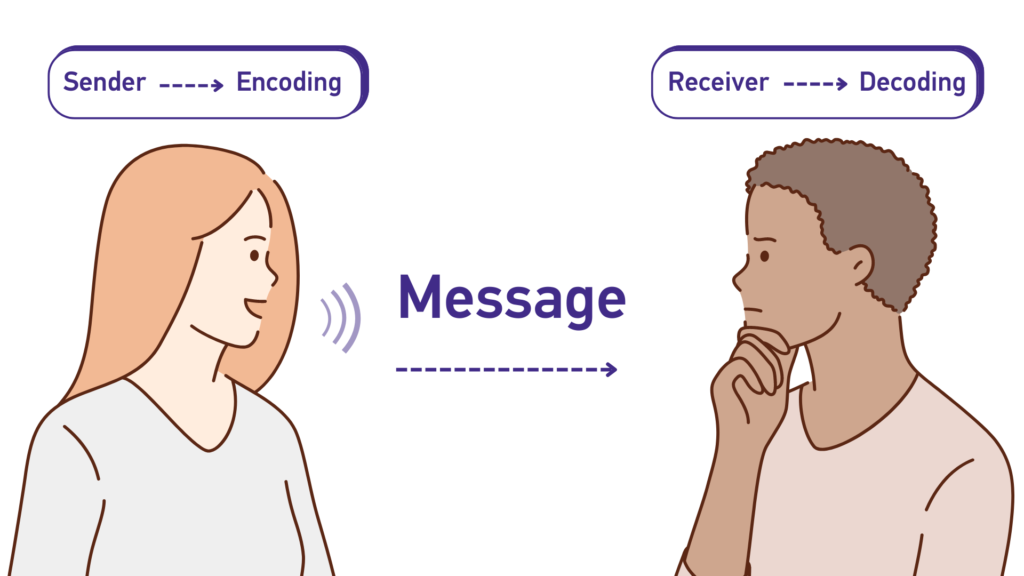
O modelo de Shannon-Weaver foi criticado uma vez que assumia que a comunicação ocorria sempre de forma linear. Wilbur Schramm (1954) sugeriu um novo modelo que considerava a Comunicação como um processo entre um codificador e um descodificador.
Viu a comunicação como um processo recíproco, no qual a mensagem é muito importante. Esse modelo realça a forma como as pessoas interpretam a mensagem enviada. Schramm argumentou que a origem, a experiência e o conhecimento de uma pessoa são fatores que afetam a interpretação da mensagem.
Schramm acreditava que o decodificador deve enviar feedback sobre a mensagem para indicar que a mensagem foi recebida. Argumentou que, sem feedback do recetor, a comunicação é incompleta. De acordo com o modelo de Schramm, a codificação e a decodificação são vitais para uma comunicação eficaz.